


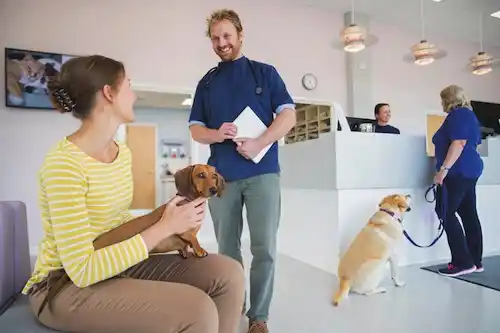
Considering making a complaint about the veterinary service you’ve received? Our resident vet Vicky explains the process from both sides of the fence…
During a quick break between consultations, I opened my social media to see several posts from upset colleagues. The problem was an article that suggested pet owners felt it was difficult to complain about their vet, and that the ‘odds are stacked against pet owners.’ Unsurprisingly, my colleagues thought the article was rather unfair, but it was also disheartening to read about pet owners feeling unheard and unhappy. I know most of my colleagues live in fear of clients making
complaints. Despite our best efforts, things don’t always go to plan, so how can pet owners ensure their concerns are heard and get problems resolved? And how can we avoid things getting to the point when a formal complaint
needs to be made?
Communication
The first step should be to put your concerns to the vet or vets involved in your pet’s case. Most complaints boil down to communication issues, especially in emergency situations where there may not be time to go through all the options in detail.
In my first year in practice, I received a complaint about a caesarean I had done out of hours. I called the client and was able to explain that some of the things they found unprofessional, such as the door being locked when they arrived and being asked to help lift their dog, were practice policies for health and safety reasons.
They accepted that they had been given extensive post op advice, but that they might not have taken it all in. And I agreed that providing written instructions would have beenhelpful. This complaint also led to fixed prices for operations so that clients didn’t pay more for a less-experienced and slower surgeon, and less-experienced vets didn’t feel under pressure to rush operations. I’ve worked as a vet for a long time, so this was certainly not my last complaint and they haven’t all ended so amicably.
The best and most helpful complaint lettersclearly outline the concerns, and also suggest solutions. Both parties can put forward their case and agree on a solution that leaves everyone satisfied and can improve care of other pets in the future. The worst to receive are angry rants with demands for a vet or nurse to be struck off or a threat to sue. These most often come when the outcome for the patient has been poor but there is still a large bill to be paid.

Complaints procedure
When a vet or their employer can’t provide a satisfactory solution, the next step should be the Veterinary Client Mediation Service (VCMS). The VCMS can deal with issues with service, fees, and negligence, and can bring parties to solutions including apologies, refunds, corrective treatment, or goodwill payments. The VCMS website says that 88% of clients who have used it found the service helpful. Taking a complaint to the Royal College of Veterinary Surgeons (RCVS) should be a last resort if direct communication or mediation fails. Getting a letter from the RCVS is very distressing for vets, and the process is slow and often frustrating for the pet owner.
For most vets, working as a vet is a huge part of their life and identity. It is far more than just a job and the fear of being ‘struck off’ due to a complaint to the RCVS can cause incredible mental strain. The RCVS is very limited in what complaints it can deal with. These include very poor professional conduct, criminal convictions, fraud, and physical or mental health problems which affect a vet’s ability to work. They are not able to intervene in disputes over fees or investigate negligence, and can only take action against an individual vet (or registered veterinary nurse) rather than a practice or group.
The bar for the RCVS to make sanctions against a vet is quite high but it can make a vet undertake additional training, get medical help, or, in rare cases, remove a vet’s right to practice if a complaint is upheld. For negligence or fees problems which the VCMS can’t resolve, pet owners should take legal advice about a civil court claim. The RCVS would like to see changes to legislation which would allow it to protect consumers better and to regulate practices, as well as individuals. Human nature I don’t think anyone, vet or pet guardian, wants to end up with a complaint. Disputes over fees can be avoided by always asking for an estimate of treatment costs, and for alternative options that suit your budget. I am always happy to involve a colleague in a tricky case to ensure I’m on the right track, but pet owners can also ask for a second opinion before agreeing to an expensive diagnostic or treatment plan.
First opinion vets are expected to have a broad range of medical and surgical skills, but should also know when to refer to a more qualified colleague. Your vet won’t mind if you ask how experienced they are with your dog’s condition or planned surgery. The best care comes from a team effort from vets, pet guardians, and other pet professionals.
Veterinary professionals are humans and mistakes can happen, but practices can put protocols in place to reduce risks. Choosing a practice that is part of the RCVS Practice Standards Scheme means that basic standards of hygiene, training, emergency cover, equipment, and fees communication are met.