


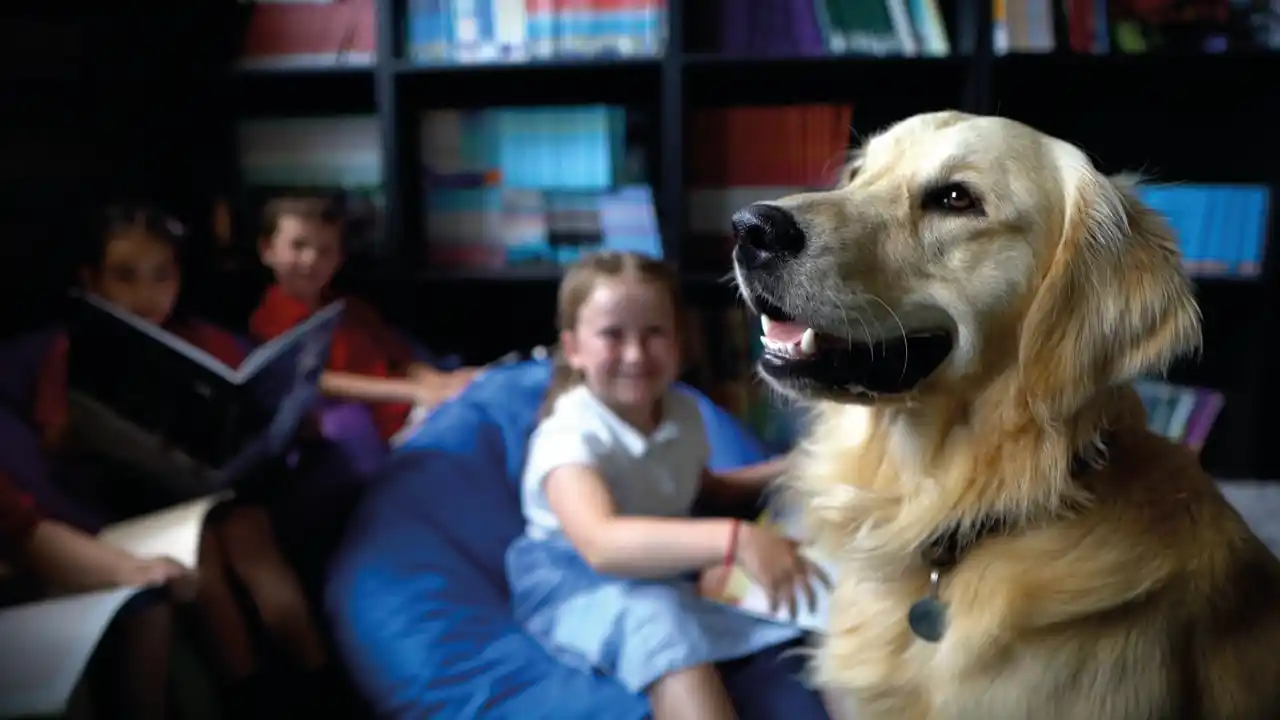
School dogs can help children in multiple ways, as Andrea McHugh discovers…
Dogs have some amazing qualities, and in this new series we look at the many ways they benefit the world we live in.
Calm, gentle dogs, who love people, and will happily interact with children can be a great asset in a school. Volunteers have been taking dogs into schools for many years, but ever since the pandemic of 2020, requests for dog visits have risen. Many children struggled to adapt to school life after the confusion of lockdown, home education and classroom bubbles, and having a dog on the premises can help ease anxieties and reduce stress. To ensure the safety and well-being of dogs, volunteers, staff and pupils, organisations such as KAD (Kids Around Dogs) and the National School Dog Alliance are working hard to provide schools with research-informed professional guidance.
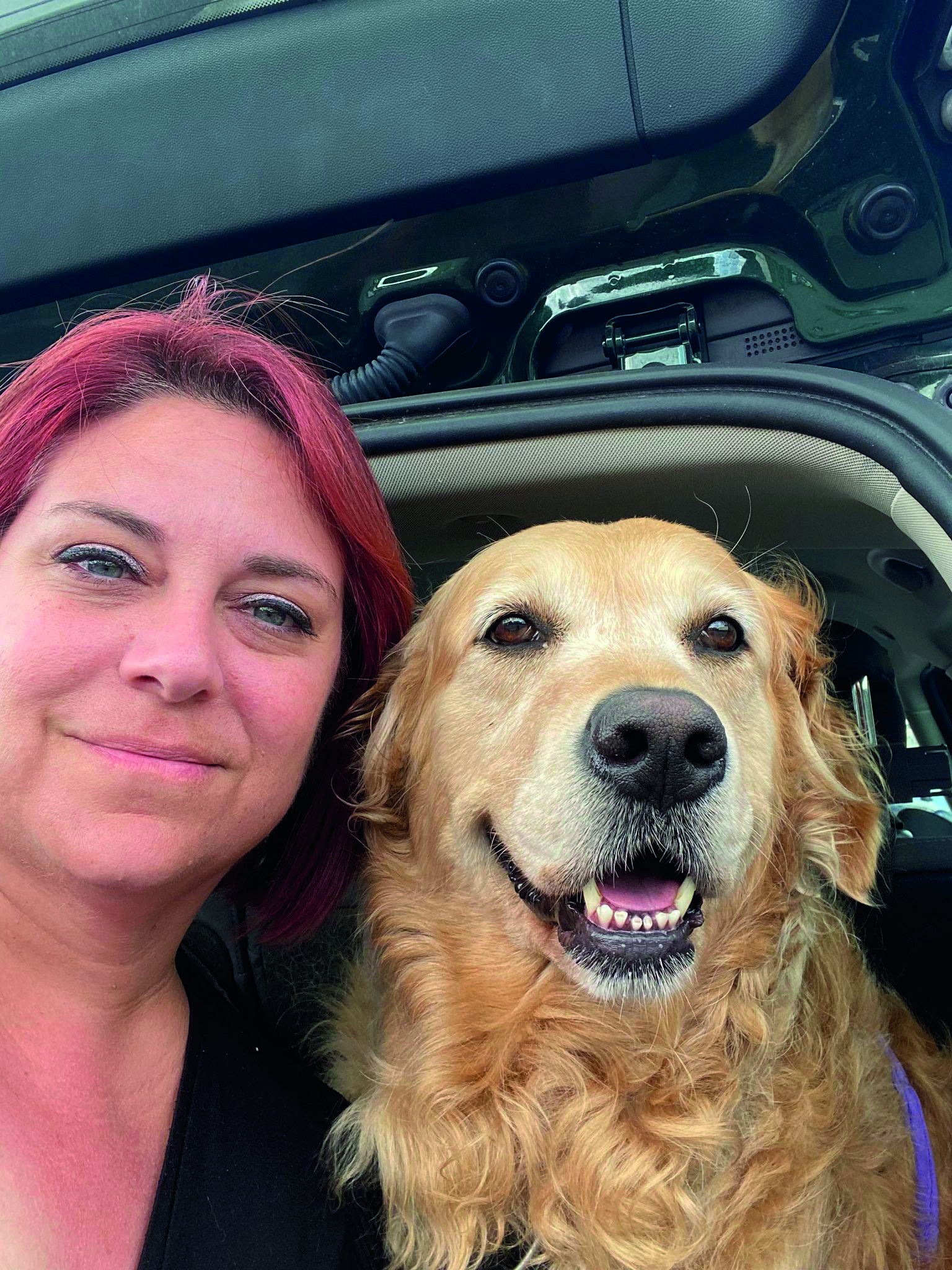
Debby Lucken, the founder of KAD, is a qualified dog trainer with the Institute of Modern Dog Trainers and a dog behaviourist with the International School of Canine Psychology. Debby stresses the importance of developing regulation around dogs in schools and is one of many professionals working with parliament to make this happen. “We want to ensure that all dogs are formally assessed for their suitability to work in a school, so they can help children emotionally and academically,” she says.
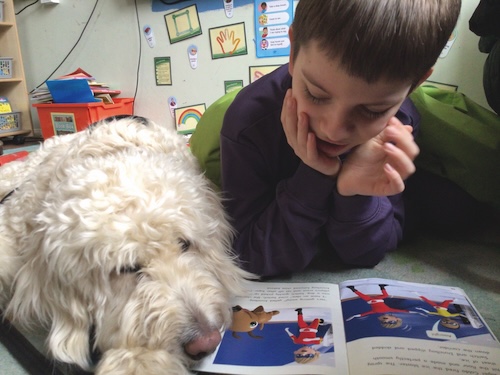
“When most people think about school dogs, they think of a dog sitting next to a child whilst they read to the dog. This works well, as the dog never judges, corrects or interrupts. It doesn’t matter if the child make mistakes, as it’s all about trying, and can be a very bonding experience. However, reading isn’t the only thing that dogs can help with.
“For example, dogs can help children with things like maths and geography. When a child is learning about different countries, flags can be placed in the garden or an outside space, with the name of the country’s capital city on the back. The teacher can then hide a treat on certain flags and the dog can be sent out with a child to help them identify the correct one. Of course, the dog will find the flag with the treat on! Dogs can make learning fun, and with the dog enjoying treats, and the child learning something new, it’s a win-win situation.
“A teacher might also ask for the dog to visit their classroom as a reward for kind behaviour, and a child might walk the dog on a lead in the school grounds. Dogs can also help with emotional regulation – dog walking can be very calming and provide opportunities for children to talk about
their feelings.
“Any breed of dog can do this job provided they prefer the company of people to other dogs and have a calm temperament. They need to be at least 18 months old, as before that they are still developing physically and mentally and can tire easily. It is also best to have dogs that don’t shed lots of hair. Dogs are discouraged from licking to avoid transfer of saliva, which can cause allergic reactions.
"When training we ignore licking and reward other interactive behaviours, and the dogs quickly understand what works. We also remind guardians to thoroughly groom the dog before going into school. Providing grooming equipment is also nice, as children can learning about caring for a dog, and it can open up conversations about the need for regular hand washing etc.
“It is vital that dogs are introduced to a school environment very slowly. They may initially visit when there are no pupils, and gradually build up to meeting one child and then a few more. Staff and children are taught about canine body language, and we also advise they check classrooms to ensure that no food items from a lunch box have fallen on the floor which could tempt a dog and make him ill.”
Professor Helen Lewis is an Associate Professor of Education in the Department of Education and Early Childhood Studies at Swansea University, and a founder member of the National School Dog Alliance. She is also co-author of the book Dogs in Schools, published by Routledge.
“This subject is a passion mine, as it combines my love of dogs with my interest in human/animal interaction,” she explains. “Very often teachers and pastoral staff in different educational environments will request a school dog visit to help a child’s well-being. Developing a bond with an animal can be quite empowering for some children and help to improve their confidence and self-worth.
"However, it’s also important to stress the need for caution as not every school can provide the right environment, and some children won’t benefit from the experience. When a dog goes into a school there should be a plan of the activities the school wants him to do, and the situation needs to be constantly monitored, as over time a dog may become bored, or a child may stop enjoying the experience. Care needs to be taken for dogs to build a sustainable relationship with a child. If anyone wants to get involved, I recommend they get the dog’s suitability assessed by a reputable professional organisation as a first step.”