


The Royal Veterinary College’s (RVC) world-leading Queen Mother Hospital for Animals (QMHA) has launched a dedicated Renal Recovery Clinic to provide specialist follow-up care for dogs recovering from acute kidney injury (AKI).
This new service delivers comprehensive monitoring and specialist-led advice from veterinarians during the crucial months following an AKI diagnosis, helping improve outcomes and supporting the long-term kidney health of the animals.
AKI is a serious condition that can leave pets vulnerable to further health challenges, even after initial treatment. Following AKI, recovery can take up to three months, during which the kidneys remain susceptible to further injury and complications such as high blood pressure (hypertension). The RVC’s Renal Recovery Clinic has been established to support pets and their owners through this recovery period, ensuring that progress is closely monitored and any ongoing issues are identified and managed in a timely manner.
The Renal Recovery Clinic is integrated into the RVC’s internationally recognised Nephrology and Urology service, which provides advanced care for all forms of kidney disease. The RVC is currently the only centre in the UK offering both comprehensive medical management of AKI and access to renal replacement therapies such as haemodialysis, delivered through its extracorporeal therapies and critical care team.
Owners can access the Clinic through referrals from primary care veterinary practices. Ahead of each appointment, owners are asked to complete a pre-appointment questionnaire to help clinicians gain a detailed understanding of each pet’s wellbeing at home. The patients receive a clinical re-examination with the RVC’s Nephrology and Urology team, supported by Emergency and Critical Care specialists. Monitoring tests, including blood and urine analysis and blood pressure evaluation, are performed to assess progress and adjust treatment plans, and an ultrasound may also be recommended, depending on discussions with the attending clinician.
While operating for less than two months, the Renal Recovery Clinic has already proved invaluable to dogs, including Nala, a four-year-old Cavapoo, from East Sussex.
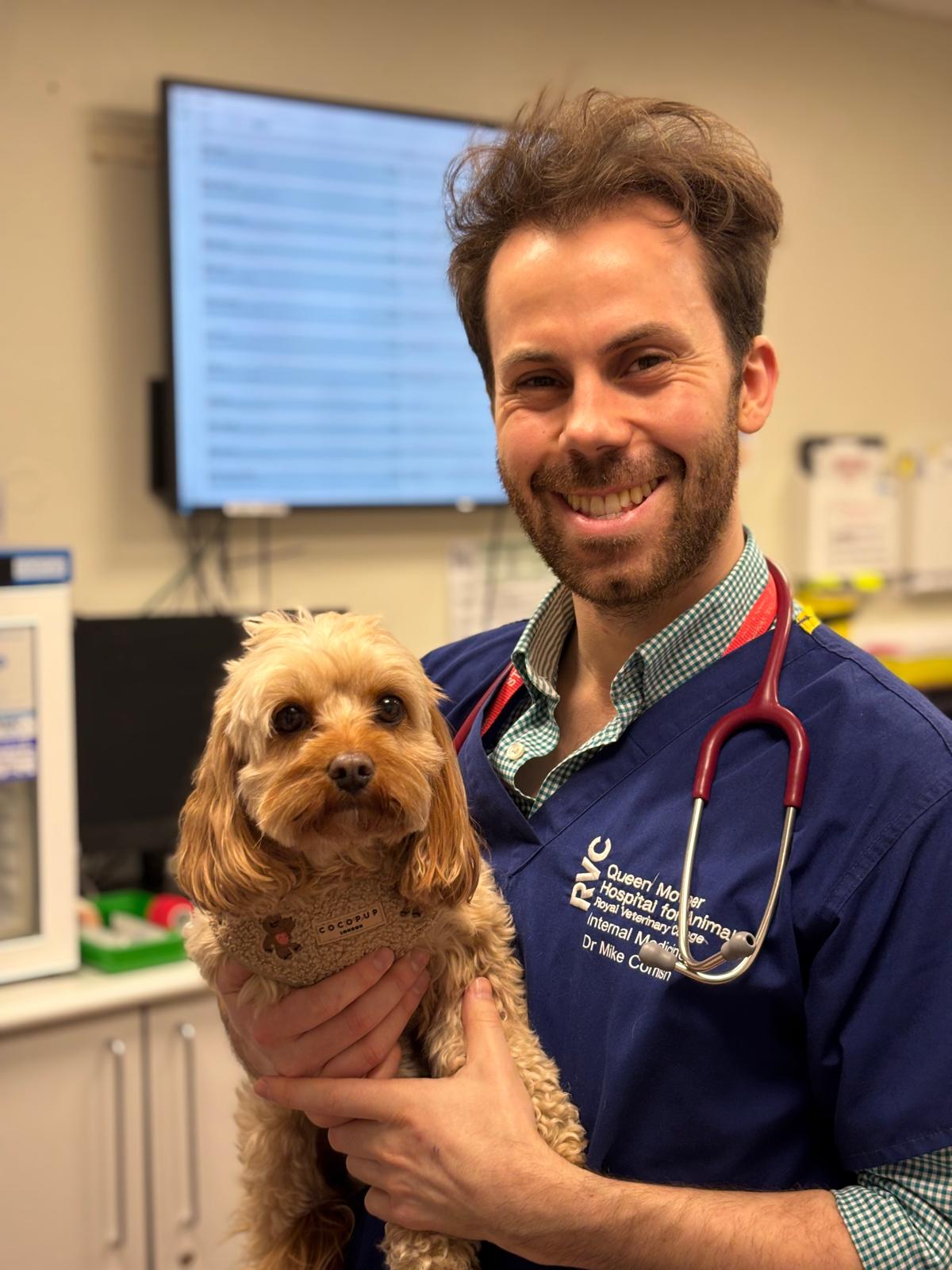
Image credit: Royal Veterinary College
Speaking of their experience with the RVC’s Renal Recovery Clinic, Holly and Henry Webb, owners of Cavapoo, Nala, said:
“Two years ago, we nearly lost our little dog Nala, but the Royal Veterinary College saved her life and we couldn’t be more grateful.
“To have the opportunity to return for the Renal Recovery Clinic and benefit from the support of the phenomenal vets who kept an eye on her kidney health has been a big reassurance for us as her owners.
“We will continue to track her perfect progress with the help of the wonderful team at RVC and are so delighted that our Nala is able to continue living life to her fullest.”
Dr Laura Cole, Lecturer in Emergency and Critical Care at the RVC, said:
“We see many dogs at the RVC Queen Mother Hospital for Animals who present to our emergency service with acute kidney injury (AKI). Dogs with AKI often have intensive support and treatment, but for a long time, being discharged from hospital was seen as the endpoint in this journey. But actually, we know that the full recovery period can take many months and that ongoing care is needed, for example, management of concurrent issues, such as hypertension and proteinuria, decision making around optimal nutrition and also monitoring for long-term consequences such as chronic kidney disease.”
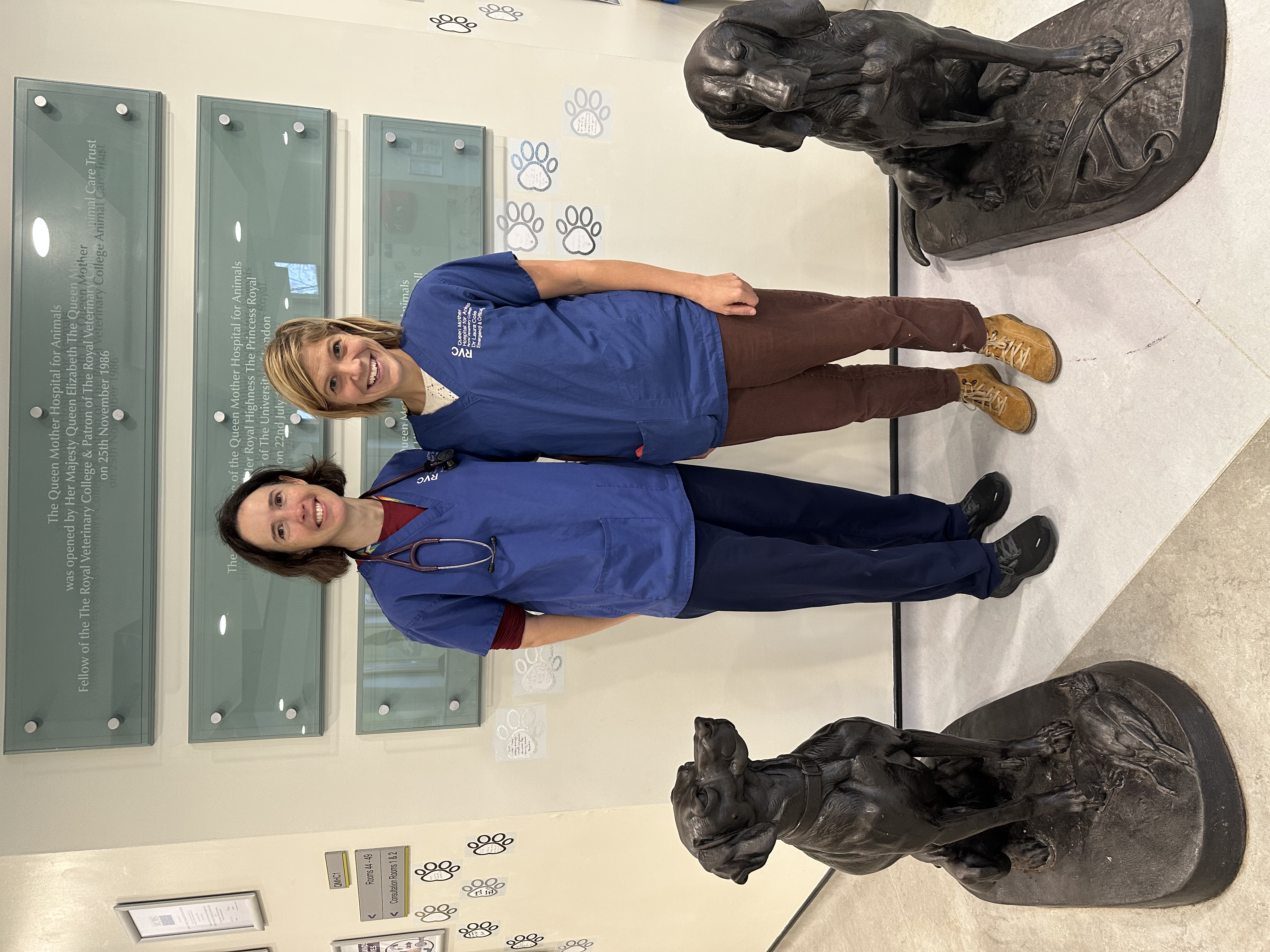
Image credit: Royal Veterinary College
Professor Rosanne Jepson, Professor in Small Animal Nephrology and Internal Medicine at the RVC, said:
“The RVC’s new AKI Renal Recovery Clinic gives us an opportunity to provide this expanded level of care, to monitor response to treatments after AKI and for us to better understand how we can optimise recovery. We hope that clients who are keen to attend this clinic will be willing to also participate in a study so that we can keep in touch with owners and dogs that have been treated for AKI, monitoring their clinical response and also quality of life, so that in the future we can better understand and continually give the very best care in this important recovery period.”
Owners attending the new Clinic also have the option to participate in a longitudinal research study investigating long-term outcomes in dogs following AKI, which aims to advance understanding of recovery patterns and improve future care.