


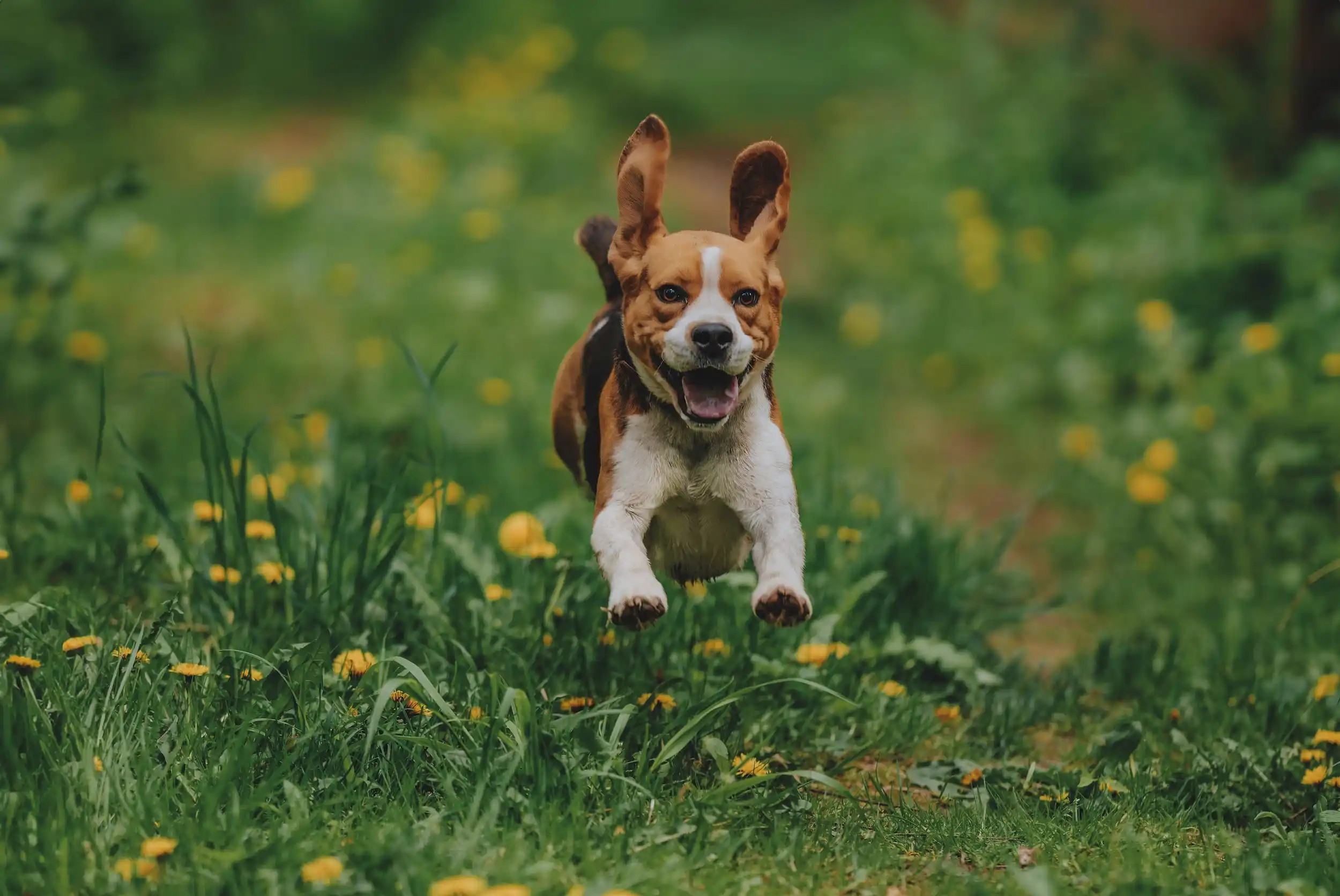
The Beagle is the oldest British pack hound, primarily bred to hunt hare and other small game. However, the breed likely has its roots abroad with small hunting hounds resembling the Beagle dating back to 400BC in Ancient Greece, compared to much later, in 200AD, in Britain. The name comes from the original role of a Beagle during a hunt. ‘Beagling’ consisted of the Beagle ‘baying’ (distinctively barking) which alerted the hunters to the prey being tracked.
Today, the Beagle retains all the natural skills and instincts for hunting. Their small stature and inbred agility are good for tracking and flushing through the dense bushes where game often hides and larger breeds of dog can’t access. The Beagles are known for their superior sense of smell and are often utilised in detection roles. They are commonly used at airports and borders to sniff out prohibited items.
In the UK, the breed rose in popularity in the 15th century, being a personal favourite breed on Queen Elizabeth. Her majesty kept a pack of miniature Beagles small enough to be carried in a saddle pannier pocket.
The UK Kennel Club officially recognised the Beagle in 1893. Prior to 1893, all spaniels were collectively referred to as Land Spaniels by the UK Kennel Club. Recognition by the American Kennel Club came earlier, in 1885.Despite being recognised by the Kennel Club for over 100 years, a Beagle has never won the Best in Show title at Crufts. A Beagle named Princess Tiana came the closest in 2023 when she won the Beagle class and finished fourth in the Hound section.
The Beagle has long remained a popular pet. It is the third most popular breed from the hound group, behind the Dachshund and the Whippet. However, registrations of Beagle are gradually falling with 1,170 registered in 2024, compared to 2,242 in 2015. Although the miniature Beagle has fallen in popularity in the UK, it remains popular in the US known as the Pocket Beagle. Could it be the breed for you?
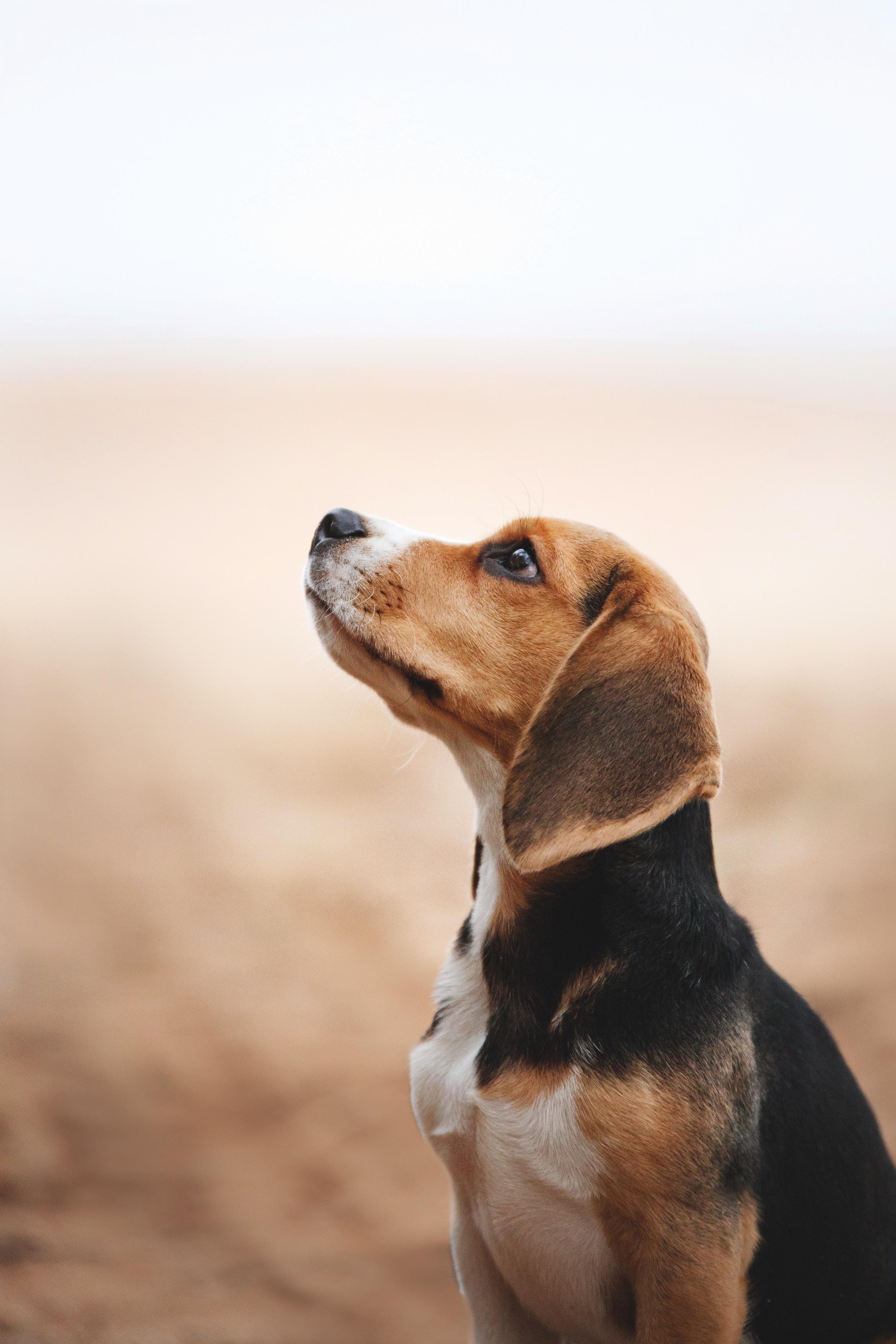
Credit: Shutterstock
Beagles have number of health concerns. The Kennel Club highly recommends a DNA test should be carried out before breeding to test for the following health conditions:
- Lafora’s disease – this is an inherited form of epilepsy cause by a faulty enzyme which breaks down carbohydrates. It causes rapid shuddering and gradually progresses over years to cause other neurological conditions.
- Neonatal cerebellar cortical degeneration (NCCD) – this impacts the cerebellum, which is the part of the brain that controls movement and balance. It doesn’t progress but there is no cure so affected dogs will struggle with coordination and tremors.
- Factor 7 deficiency (FVIID) – this causes a weakness in the ability for the blood to clot. This can cause prolonged bleeding following injury or surgery.
- Imerslun-Gräsbeck syndrome (IGS-2) – this condition sees the small intestine unable to absorb vitamin B12 properly. Vitamin B12 is essential for normal cell growth and dogs with the condition will not grow normally and will become weak and less able to exercise.
- Musladin-Lueke syndrome (MLS) – this impacts the connective tissue of the body and can impact multiple organs and biological structures. The disease is unique to Beagles, while it may settle, it can seriously impact a dog’s life span.
Recessive conditions – all of these conditions are recessive conditions which means a dog must inherit two copies of a faulty gene (one from the mother and one from the father) to be affected by the condition. Inheriting one gene means the dog is not affected but can pass the faulty gene on. Therefore, with pre-breeding testing, you can guarantee puppies avoid all of the above condition. When searching for a Beagle puppy, ask whether these tests have been done and ask to see the relevant paperwork.
Did you know?
- The Beagle has a short coat-length and sheds. They need to be groomed once a week
- They require a small/medium garden and can live in either a town, or a city
- They should be exercised for at least one hour per day
- Playing scent games will put their noses to work which they will enjoy and often find more tiring than walking
- The breed standard describes their temperament as “Amiable and alert, showing no aggression or timidity”
- Breed standard colours for the Beagle include: badger pied, badger pied mottle, black, white, tan, blue white, hare pied, Lemon, and tricolour
- Males typically stand between 33-41cm and weigh between 9-11.3kg. Bitches are between 33-38cm and are healthy when weighing 8-10kg
- Beagles are very bold and curious animals a determined but friendly temperament
- They are considered to be good with kids and at gatherings, due to their outgoing nature.
- The breed standard refers to the Beagle as a “Merry Hound”