


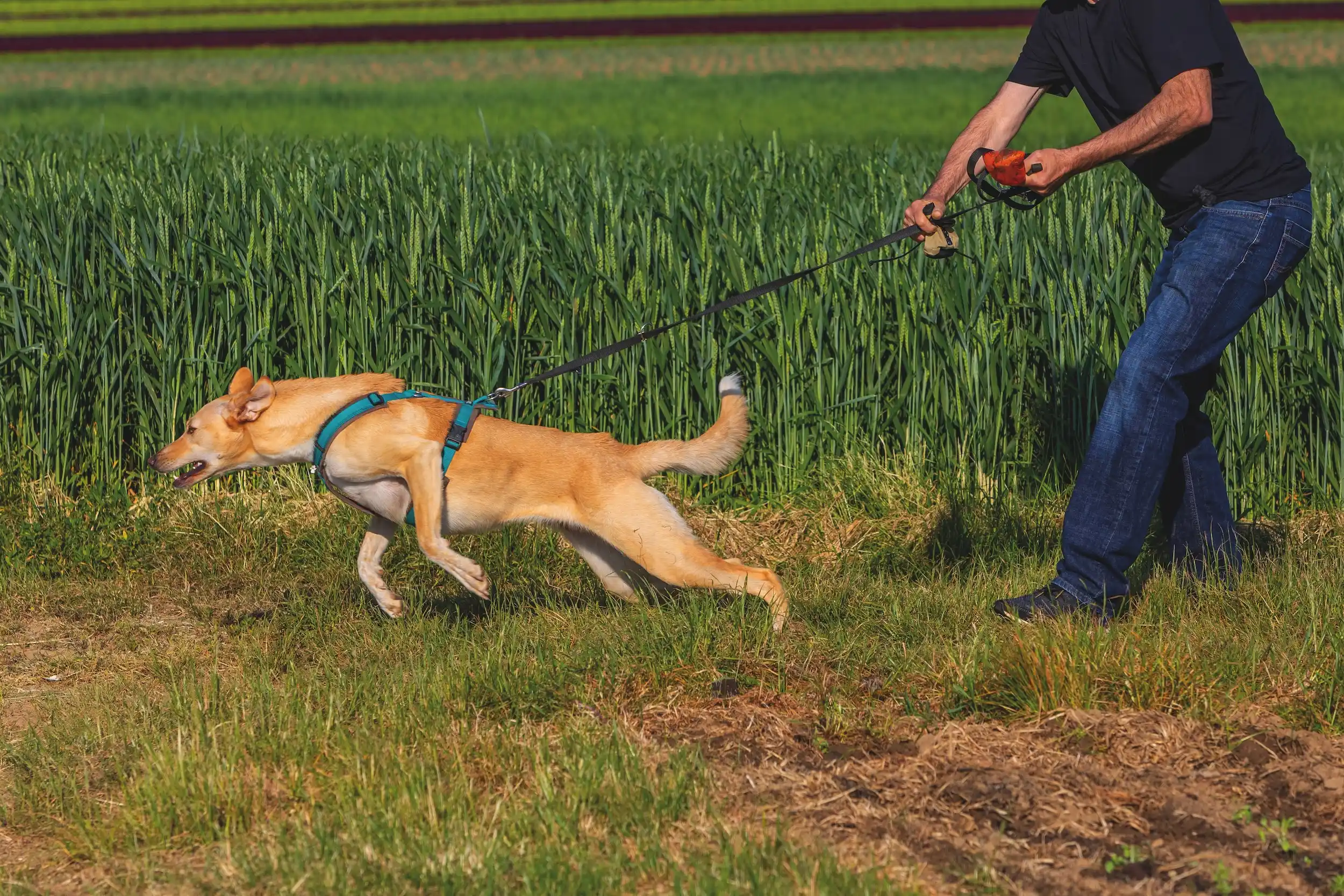
Living with a dog who struggles around other dogs, people, or environments can be challenging for both you and your canine companion. How do you find relief and support for you both? Animal Behaviourist Toni Shelbourne offers some guidance
The reactive label
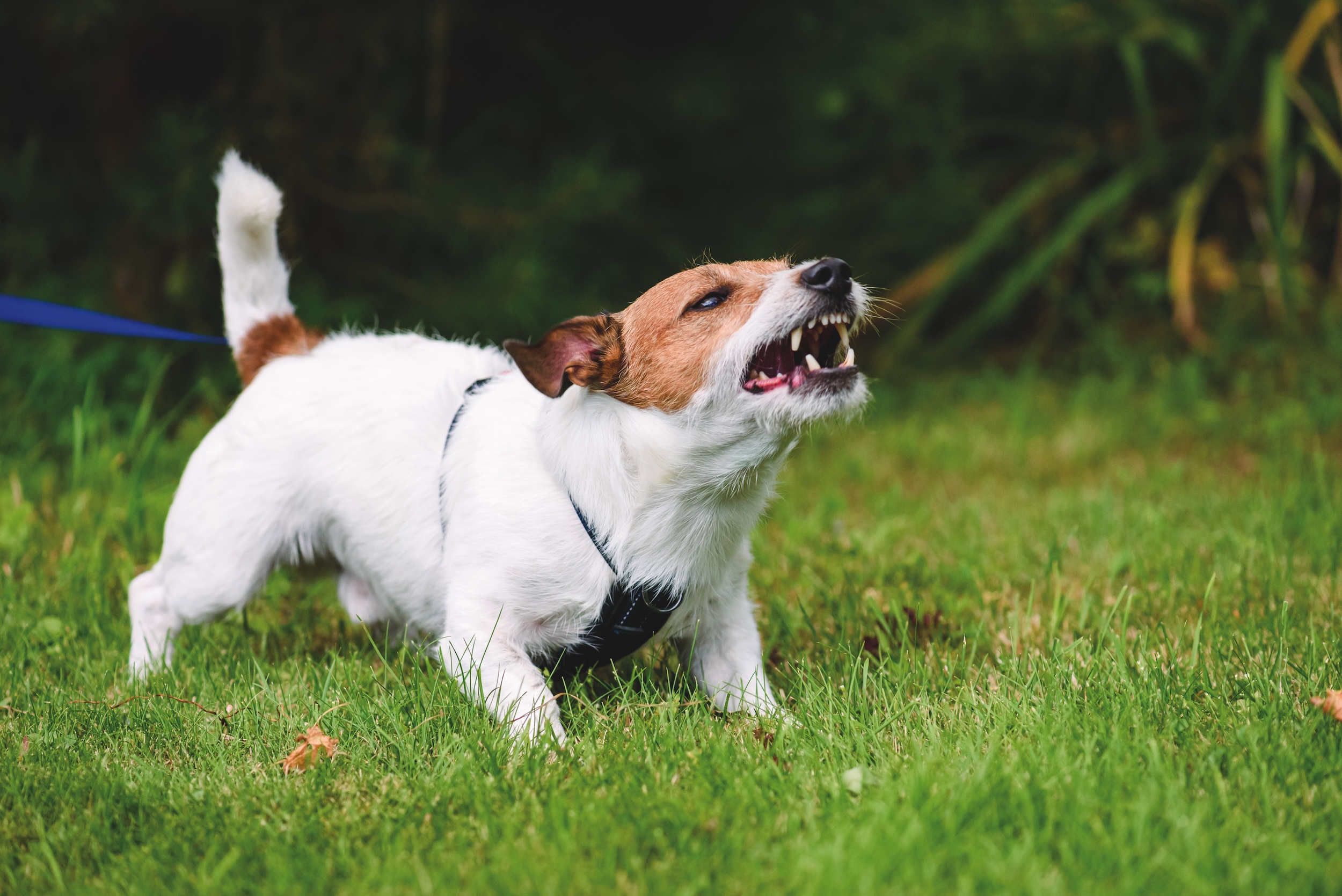
The label ‘reactive’ tends to be an umbrella term thrown around in dog training. Firstly, let’s clarify what the word reactive implies. These two dictionary meanings are useful: ‘Showing a response to a stimulus’ and ‘Acting in response to a situation rather than creating or controlling it’. In terms of what it looks like, your dog may be scared and display barking, lunging, or biting behaviours. He could also be frustrated and overaroused, straining to get to another dog. Whatever the cause, it can be tough to live with.
Catch-22
Many of you might feel you cannot let your dog off lead safely; you are acting responsibly. However, this then leads to a whole new set of problems where you need to navigate other dogs, or people, and possibly avoid places, or walk at certain times of the day. It’s hard emotionally on you and your dog. Many dog guardians find their anxiety levels increase, or they feel embarrassed by their dog’s behaviour. You are not alone.
Understanding, not obedience
There is a lot of out-of-date advice around that claims to ‘fix’ reactivity. If your dog is anxious due to a negative experience or because that is simply who they are, we can’t necessarily change their feeling, what we can do is support them. These dogs don’t need more obedience training, they don’t need to be shouted at, receive a check on the collar, or wear a device that shocks them if they dare to display their distress. The key is to find a behaviourist or a specialist class run by knowledgeable, qualified people who understand that the outburst is simply a manifestation of their dog’s emotion; be that fear or frustration.
There are several areas that need to be looked at and taught to help you both. These include methods to calm his emotions, skills to help you manage everyday walks, and how to get out of different situations, what you might call defensive handling. These skills should be coached in a kind, reward-based manner. Living with a reactive dog can feel isolating but there is professional help, just make sure it’s the right kind.
Finding relief and safety
There are ways to find relief and safety day-to-day. There are numerous private fields you can hire for your exclusive use. These safe spaces mean you and your dog can have a break from the daily stresses, he can have off lead exercise, and you can breathe. On other days, if your dog is on lead, you can walk where others can’t. Many dogs find open-access industrial estates rewarding with lots of smells to sniff. You might find a narrow strip of woodland, an open common, or a wide verge near a road where people naturally keep their dog on lead or have them very much under control. Try no-walk days where you play in the house or garden. They can do you both the world of good, especially for those dogs who show an aversion to walking away from the house.
The recovery process
If you do have to walk where others tread, think of how you can both recover once back in the safety of your own home. Some dogs need to let off steam for a few minutes, this might be running circuits around the garden or throwing toys around. These dogs are completing the stress cycle; getting rid of that pent up anxiety or frustration. Once the zoomies subside, they benefit from a calming activity to decompress. This could be a long-lasting chew, or a LickiMat; licking and chewing release calming endorphins, so encourage your dog in this activity. Some dogs may prefer a cuddle with you to settle his nervous energy.
Above all, you and your dog
need to feel safe when out exercising, everyone has that right. It’s difficult but try to find ways to achieve this as much as is possible in this busy world.