


Ahead of World Arthritis Day, what is the disease, and how can we help our dogs?
Autumn is officially here, meaning we must accept the warmer weather is now behind us, and those colder days are now fast approaching, if not already here! Just to add another dampner to the situation, cold weather will also promote the symptoms of arthritis, a condition best described as inflammation and pain in the joints. Arthritis is just as common in dogs as it is humans, meaning World Arthritis Day, Sunday 12 October, now has double the importance. According to Veterinary Partner, one in four dogs are diagnosed with arthritis in their lifetime, and up to 60% will show evidence of the disease, making it a huge issue. So what actually is arthritis, and how can we as owners help to ease the pain of our canine companions as best as we can?
Damaged joints
The ends of a bone in a joint are covered in smooth cartilage, so they can move against each other with minimal friction. The whole area (the joint capsule) is held firmly together by ligaments that run between the bone ends. Developmental disorders can weaken the structure of the bone ends and their cartilage. In addition, poor conformation and laxity of the joints can also contribute to damage, and even the healthiest dog will su er some joint damage in old age because of wear and tear. The cartilage can become thin and rough, contributing to inflammation, which in turn leads to the joint fluid (the lubricant within the joint) losing viscosity, thickening of the joint capsule and swelling. Fragments of bone can also be deposited around the margins of the joint. These factors can cause further inflammation and stiffness, with a vicious circle of inflammation, and joint damage results. Although resting the affected limb can be good in the short-term, long-term loss of mobility and muscle strength can worsen the situation.
Diagnosing arthritis in dogs A range of tests can help diagnose arthritic conditions. X-rays are generally the most useful as radiographs can clearly show changes in bone contour and density in the joints. However, ultrasound scanning, nuclear scintigraphy (which involves scanning the body for active sites of inflammation) and taking samples of fluid from affected joints can also help. In addition, blood tests can assess the dog’s general health and screen dogs for some infectious causes of joint inflammation.
Treatments available for arthritis
There is an almost infinite number of treatments available, which is testament to the fact that arthritis is a universal condition, affecting large numbers of animals of all species. However, it is important to realise that some treatments are more effective than others and some are better understood and backed by more scientific evidence. Surgery may be an option in a minority of cases – but is of no use in most old dogs who have typical wear and tear-related arthritis. It can be used to improve the way the bones fit together within the joint in some cases, therefore reducing any ongoing damage.
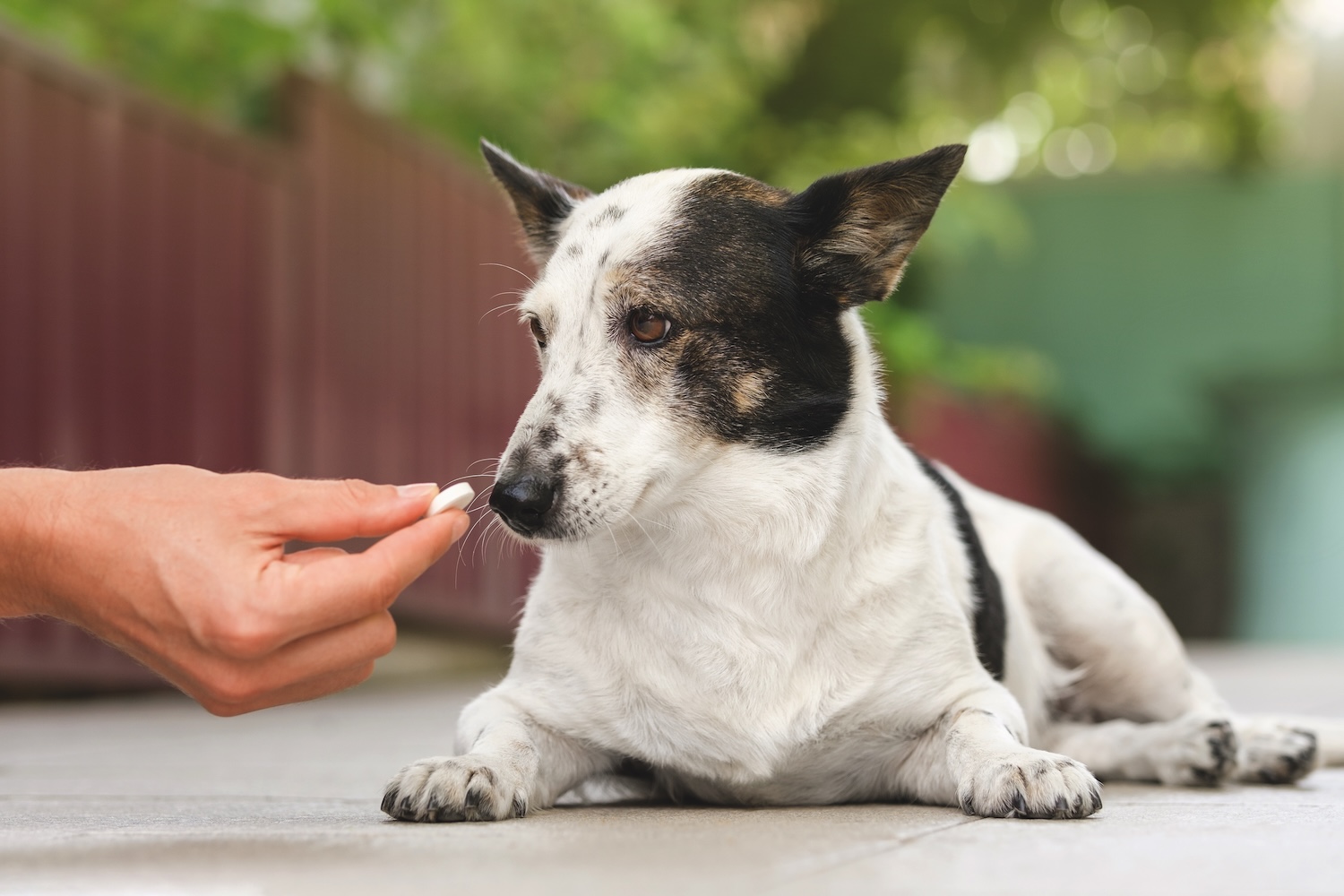
Most dogs with arthritis will need, at least some of the time, an anti-inflammatory pain-relieving medication. This is usually a type of medicine called a non-steroidal anti-inflammatory or NSAID. These medicines can be used as and when necessary or may be given routinely every day. Although they can cause side effects in the long-term, this is rare, and these medicines generally are safe and effective aids to comfort and improve mobility in affected dogs.
Nutraceuticals such as glucosamine and chondroitin sulphate can also help relieve pain and reduce joint inflammation. Several scientific studies of these products in a range of different species have had varying results; however, their use now seems to be well supported. It seems that nutraceuticals are at their most useful in the early stages of disease. In addition, the quality of products available varies enormously and it is important to use an effective formulation, even though it may be more expensive. It is always a good idea to ask your vet for advice before using these products, especially as several good-quality products are specifically licensed for veterinary use and can be bought from them.
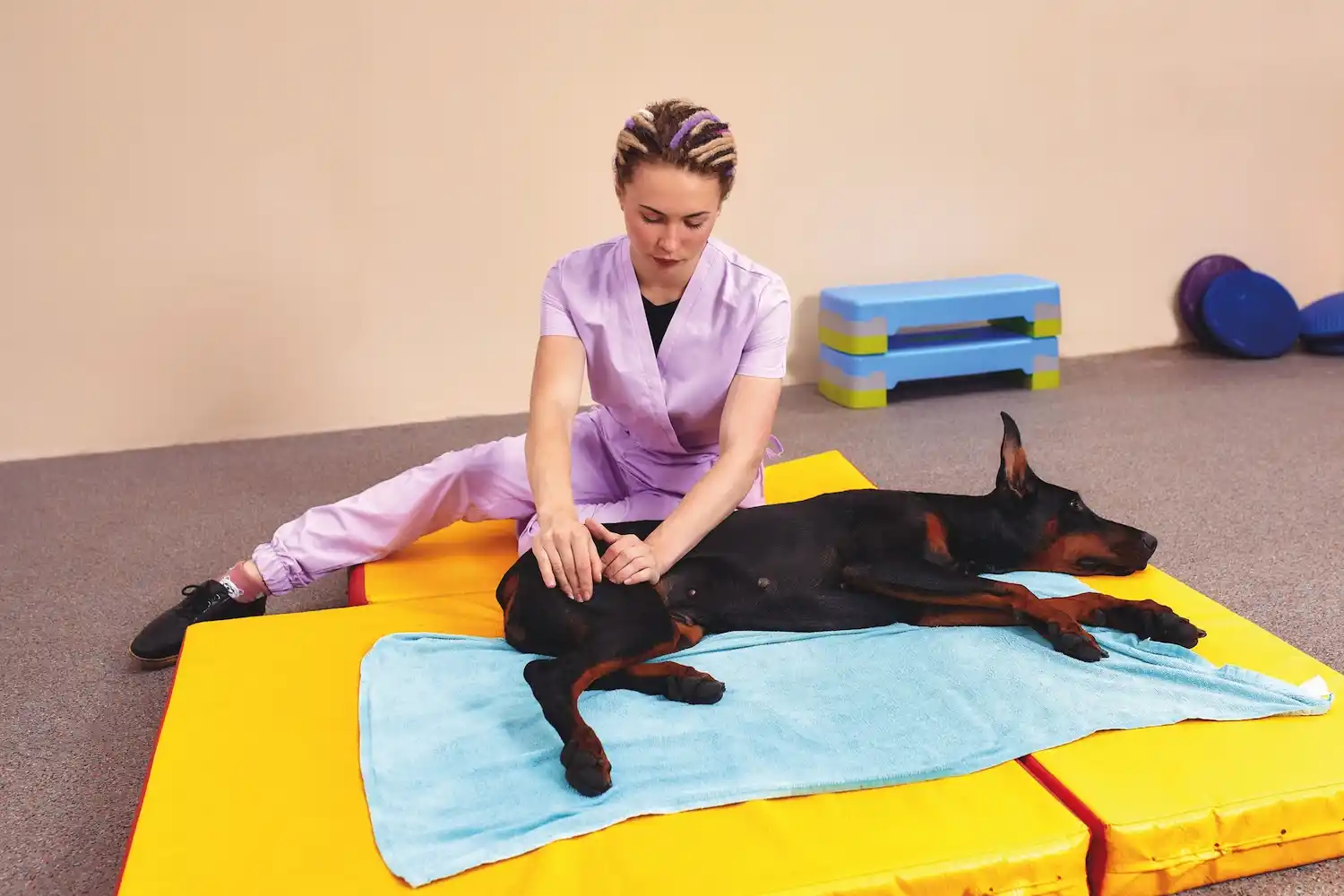
Essential fatty acid supplements such as salmon oil may help as well. Acupuncture can also provide pain relief. The treatment involves placing small, sterile needles into sites in the body where they can influence the nervous system to modulate pain. It is generally well tolerated by dogs but often has to be repeated at intervals which may prove costly. Physiotherapy can help dogs to keep mobile, maintain their muscle strength, and be used to relieve pain and stiffness, too. Swimming can also be helpful as it allows dogs to exercise without their joints having to bear any weight, and massage and other techniques can also be used.
Affected dogs benefit most from several (two or three at least) short periods of exercise a day rather than one long walk and cope best if their exercise levels are consistent. The amount and type of exercise should be appropriate to the dog in question and their current ability. Your vet’s advice is always advisable. Other treatments are available, some of which are less well supported by formally recognised evidence. For example there is little scientific evidence about the efficacy of various herbal and homoeopathic remedies, although there seem to be some good anecdotal reports. Magnetic therapy is commonly recommended, and it sometimes seems helpful.
The future
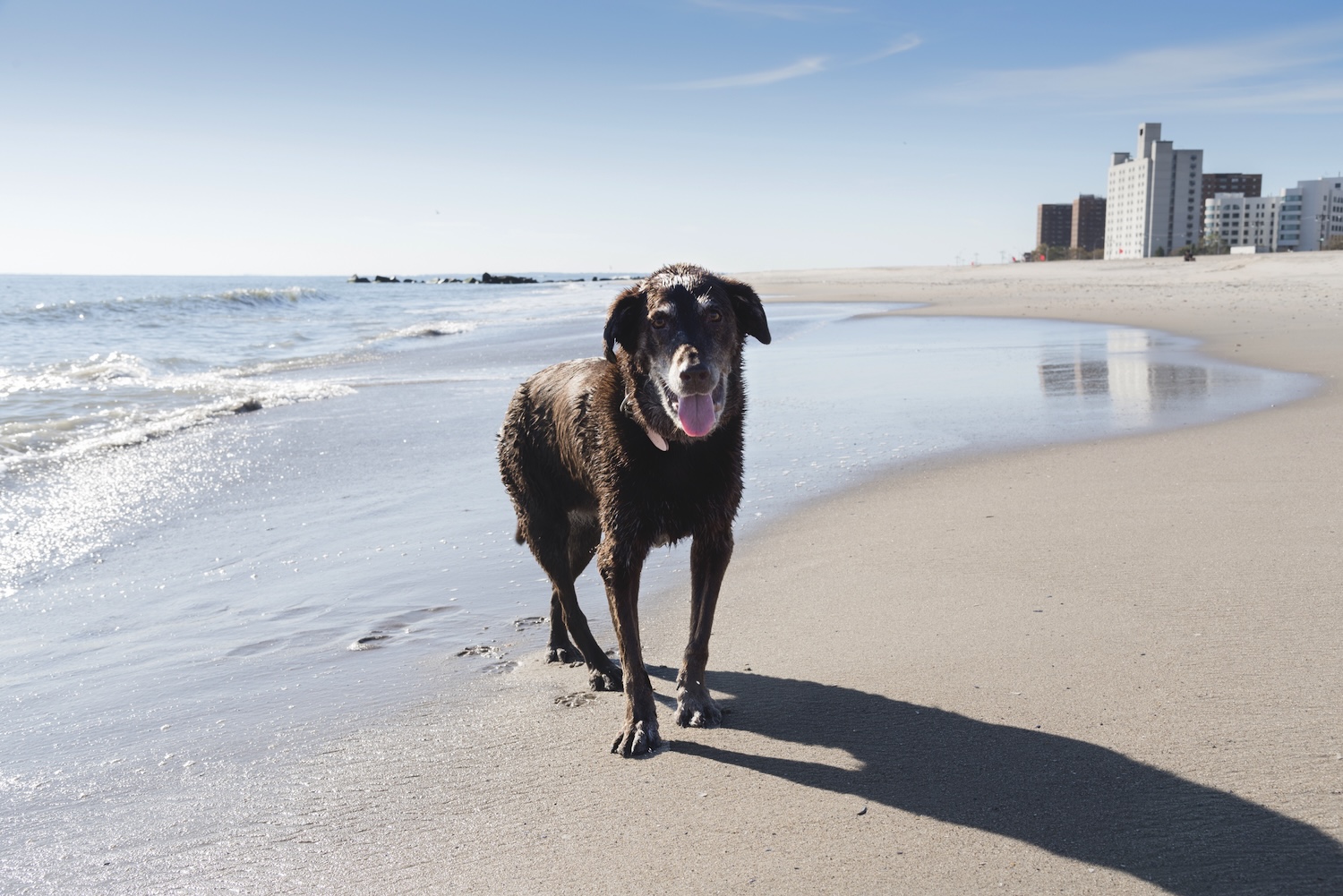
There is no known cure for arthritis, although effective treatments aiming to repair affected joints with stem cells are being developed. Most dogs with arthritis will deteriorate, needing more intensive treatment as things worsen. However, some dogs, particularly younger ones, may only suffer from brief bouts of lameness and may have years of good exercise tolerance before their arthritis starts to cause them a consistent problem. Each affected dog is very much an individual and will do best with a tailored (trial and error!) approach to his treatment and exercise regime. With appropriate treatment, many affected dogs can continue to lead happy and healthy lives.